Health
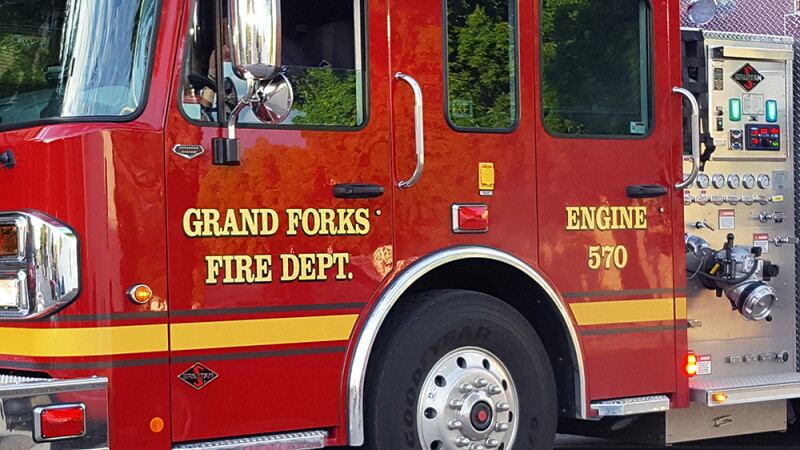
Emerado Volunteer Fire Department extinguishes 2-acre fire
By Amina El-Amin
Advertisement · Why this ad?
Jessica is a graduate of Minot State University with a Bachelor’s in Sports Management. She has spent the last five years covering high school sports for the Grand Forks Herald, bringing infectious enthusiasm and local pride to her reporting.
More from Jessica →
A disturbing case of alleged domestic violence in Grand Forks has taken a complex turn, as Dhuuh Mohamed Hassan, accused of restraining, physically assaulting, and attempting to sexually assault a woman, has chosen to represent himself in the upcoming jury trial. The gravity of the situation – charges including gross sexual imposition and felonious restraint – is compounded by Hassan’s decision to forgo legal counsel, raising questions about due process and the challenges of navigating the legal system. This trial, slated to begin November 17th, promises to be a difficult one for all involved, particularly as Hassan has already demonstrated a volatile relationship with appointed attorneys.
Dhuuh Mohamed Hassan faces charges stemming from an incident that occurred on September 18, 2024. He is accused of restraining, physically assaulting, and attempting to sexually assault a woman at an apartment complex in Grand Forks. Law enforcement responded to a domestic disturbance call at 12:19 a.m. that morning, finding Hassan naked from the waist down and holding onto the woman, who was lying on the floor. According to the affidavit filed with the court, an officer intervened after the woman requested assistance. Hassan has been charged with Class A felony gross sexual imposition, carrying a maximum penalty of 20 years in prison; Class C felony felonious restraint; and Class C felony aggravated assault. The “85% rule” applies to these charges, meaning any conviction would require Hassan to serve at least 85% of his sentence before becoming eligible for parole.
The alleged assault began inside Hassan’s apartment, where he reportedly attempted to force himself onto the woman multiple times and made the disturbing statement, “you owe me sex.” The woman repeatedly told him “no,” according to court documents. He is further accused of punching her in the head two or three times and locking her inside the apartment when she tried to escape. The incident ultimately concluded in a different unit, where Hassan allegedly restrained and strangled her, causing her to fear she was losing consciousness. These are serious allegations that speak to a pattern of abusive behavior and disregard for another person’s well-being – actions that shake the foundations of safe and stable homes.
The legal proceedings surrounding Hassan’s case have been anything but straightforward. Since his initial arrest, his case has experienced multiple delays due to changes in counsel and concerns about his mental health status. He was initially ordered to undergo a fitness-to-proceed evaluation in July 2025 and was subsequently deemed fit during a hearing on September 9th of this year. His repeated requests for new attorneys—he's already fired five court-appointed defense lawyers—have contributed to the backlog in the court system and added complexity to an already challenging situation. This demonstrates a level of frustration not only with his legal representation, but possibly also with the process itself.
During Tuesday’s status conference, Judge Ted Sandberg reiterated Hassan's desire to represent himself, despite warnings about the implications. The state, represented by Emerson Solemsaas, requested the court appoint standby counsel – an attorney who would be available to answer questions but not actively participate in the trial. This request was denied by Judge Sandberg, who referenced past instances where Hassan’s behavior had been disruptive and expressed concerns that appointing standby counsel might only exacerbate the situation. Solemsaas had previously noted a previous incident where Hassan “essentially had to be dragged out and was nearly held in contempt.” Judge Sandberg cautioned Hassan against outbursts during the trial, reminding him of past instances of speaking out of turn, but expressed optimism that recent hearings have been more orderly. The City of Grand Forks faces increasing challenges with its court system.
In a surprising move, the state requested that Hassan be allowed to appear in plain clothes during the trial. This request, typically made by the defense, aims to minimize any potential prejudice resulting from him being identified by his correctional center uniform. Judge Sandberg granted this motion, signaling a willingness to accommodate requests that might improve the fairness of the proceedings. The court’s commitment to procedural fairness is crucial in ensuring every defendant’s rights are protected, even when facing serious charges and demonstrating challenging behavior.
This case isn’t just about the charges against Dhuuh Mohamed Hassan; it's a stark reminder of the vulnerabilities within our community and the devastating impact of domestic violence. The allegations paint a picture of a deeply troubled individual, and the fact that he’s chosen to represent himself speaks volumes about the complexities of mental health and legal representation. It also highlights the vital role families play in providing stability and support – something that seems tragically absent in this situation. Strong marriages and stable family units are cornerstones of a healthy society, and when those foundations crumble, the consequences can be devastating for everyone involved. We need to examine what resources are available to prevent these situations from occurring in the first place and provide comprehensive support for survivors.
Beyond the immediate legal proceedings, this case raises important questions about access to mental health services and the challenges of navigating the legal system when struggling with mental health issues. While it’s crucial that Hassan faces justice for the alleged crimes, it's equally important to consider whether underlying mental health concerns contributed to his actions and whether adequate support systems were in place. The community needs to rally around survivors of domestic violence, providing them with safe housing, counseling, and a sense of hope for the future. This is a moment for us to reaffirm our commitment to protecting the vulnerable and fostering a culture of respect and accountability.
The impact of this case extends far beyond the individuals directly involved. It serves as a painful reminder of the prevalence of domestic violence within our community, creating fear and anxiety among residents. The charges against Hassan are deeply unsettling for many, particularly those who have experienced or witnessed similar acts of violence. The incident underscores the need for increased awareness of domestic violence prevention programs and resources available to victims. It's a difficult time, but one that presents an opportunity to strengthen community bonds and work towards creating a safer environment for everyone. The North Dakota Attorney General’s Office offers resources on domestic violence prevention.
Families in Grand Forks, especially those with young children, may feel uneasy knowing that such an incident occurred within their community. It highlights the importance of open communication within families and the need to teach children about healthy relationships and boundaries. The ripple effect of trauma can be long-lasting, affecting not only the victim but also friends, family, and neighbors. Supporting victims and providing them with access to counseling services is essential for their healing and recovery. The safety and well-being of our community depend on our collective commitment to addressing this critical issue.
Several resources are available to those affected by domestic violence in Grand Forks. Safe Be at Home provides emergency shelter, counseling, and advocacy services for victims of domestic violence and their children. The Cass County offers various social services and support programs for families in need. United Way of Grand Forks provides funding to local organizations addressing critical needs, including domestic violence prevention and support.
As Dhuuh Mohamed Hassan prepares to represent himself in the upcoming trial, several questions remain. Can he effectively navigate the complexities of the legal system without legal representation? Will his decision to forgo counsel impact the fairness of the proceedings? What measures can be taken to ensure that victims of domestic violence receive the support they need to heal and rebuild their lives? The trial promises to be a closely watched event, not only for its legal implications but also for its potential to shed light on important issues surrounding mental health, access to justice, and the ongoing fight against domestic violence. The community will be looking for a resolution that prioritizes justice, accountability, and the safety of all its members. The North Dakota Courts website offers information on legal procedures and resources.
The road ahead will be challenging, but by working together and supporting one another, we can build a stronger, safer, and more compassionate community for all. It’s a time for reflection, action, and a renewed commitment to upholding the values of justice, respect, and the sanctity of family life.